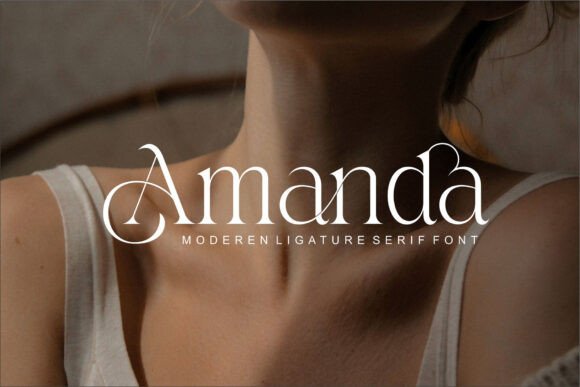
Introducing the New Amanda Serif Family Font
The world of typography is constantly evolving, and with that evolution comes a need for fonts that not only look great but also serve a purpose. Enter Amanda, a new serif font family that brings together elegance, modernity, and a touch of sexiness. Designed for those who appreciate both form and function, Amanda is more than just a font—it’s a statement.
What Makes Amanda Stand Out?
Amanda is a serif font that defies traditional expectations. While it maintains the classic structure of a serif typeface, it introduces a range of weights and stylistic variations that make it versatile for various design applications. From bold headlines to delicate body text, Amanda adapts seamlessly to different contexts.
One of the standout features of Amanda is its stylish extras. These include subtle serifs that add sophistication without overwhelming the reader, as well as a few stylized variants that offer a playful twist. Whether you're designing a logo or crafting a website, these elements help create a unique visual identity that stands out in a crowded digital landscape.
Another key aspect of Amanda is its modern aesthetic. Unlike older serif fonts that can feel outdated, Amanda has a clean, contemporary look that appeals to a wide audience. This makes it an excellent choice for branding projects that aim to blend tradition with innovation.
Why Choose Amanda for Branding and Logo Design?
When it comes to branding, first impressions matter—and the right font can make all the difference. Amanda is specifically crafted for logo design, offering a balance between elegance and approachability. Its refined curves and strong outlines provide a sense of authority while maintaining a friendly tone.
Consider a scenario where a luxury fashion brand wants to launch a new line. They might opt for Amanda to convey sophistication and exclusivity. The font's versatility allows it to work well across different mediums—from print advertisements to digital banners—ensuring consistency in brand messaging.
For startups looking to establish a presence in the market, Amanda offers a fresh and professional alternative to more common fonts like Times New Roman or Garamond. It helps brands stand out by providing a unique visual identity that reflects their values and personality.
Exploring the Weights and Variants
Amanda comes in several weights, each tailored to specific design needs. The standard weight is ideal for body text, offering readability and a balanced appearance. For headings or titles, the bold and medium weights add emphasis without sacrificing legibility.
Additionally, Amanda includes a few special variants that introduce a more stylized look. These are perfect for creating eye-catching designs or adding a touch of personality to otherwise conventional layouts. For instance, a creative agency might use one of these variants in a campaign poster to draw attention and evoke emotion.
It's important to note that while these extra styles can enhance a design, they should be used judiciously. Overuse can lead to visual clutter and distract from the overall message. Experimentation is key to finding the right balance that complements your project’s goals.
How Amanda Fits Into Modern Workflows
In today’s fast-paced design environment, having a font that works across multiple platforms and formats is essential. Amanda is designed with this in mind, supporting both web and print applications. Its scalability ensures that it looks great whether used in a high-resolution print ad or on a mobile screen.
Designers working on digital projects will appreciate Amanda's compatibility with popular design tools such as Adobe Illustrator, Photoshop, and InDesign. It also supports Unicode, making it suitable for multilingual content. This level of adaptability is crucial for global brands aiming to reach diverse audiences.
Moreover, Amanda integrates smoothly into responsive design frameworks. Whether you're building a website or a social media campaign, the font adjusts dynamically to fit different screen sizes without losing its character. This responsiveness is a significant advantage in the ever-evolving digital landscape.
Practical Benefits and Considerations
Before adopting any new font, designers often consider factors such as readability, licensing, and cost. Amanda addresses these concerns effectively. It is available through major font foundries, ensuring easy access for both professionals and hobbyists.
Readability is another important consideration. Amanda is designed with clear letterforms and ample spacing, making it suitable for long-form content. However, it's worth noting that its stylized variants may not be as readable in smaller sizes, so they should be reserved for specific uses like logos or headers.
Licensing options vary depending on the platform, so it's always a good idea to review the terms before using Amanda in commercial projects. Some versions may require attribution or have restrictions on usage, which can impact how freely you can apply the font in your work.
Real-World Applications and Recommendations
Amanda is a font that can be applied in a variety of industries. Let's explore some real-world scenarios:
- Branding: A boutique hotel chain might use Amanda for its signage and marketing materials to convey a sense of luxury and refinement.
- Logo Design: A tech startup could incorporate Amanda into its logo to reflect innovation and professionalism.
- Web Design: A lifestyle blog might use Amanda for its header to create a cohesive and stylish look that aligns with its content.
- Print Media: A magazine publisher might choose Amanda for its cover to attract readers with its elegant and modern appeal.
When selecting Amanda, it's also helpful to consider the target audience. A younger demographic might respond better to the font's playful aspects, while a more mature audience could appreciate its refined qualities.
Ultimately, the decision to use Amanda depends on the specific needs of your project. By understanding its strengths and limitations, you can make an informed choice that enhances your design outcomes.