Winery: A Handwritten Modern Typeface for Elegance and Craftsmanship
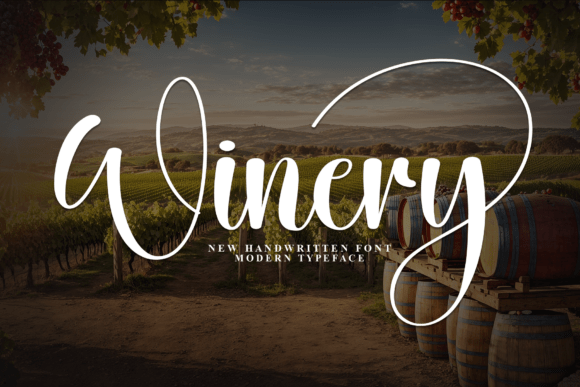
In the world of design, typography plays a crucial role in shaping the visual identity of a brand. Whether it's a luxury wine label or a high-end restaurant menu, the right font can elevate the entire aesthetic. Enter Winery, a stunning new handwritten modern typeface that brings an organic sense of elegance, heritage, and rustic luxury directly onto your layouts. This font is not just a stylistic choice—it’s a statement of quality and sophistication.
The Art of Handwritten Typography
Typography has long been a blend of art and function. While sans-serif and serif fonts have dominated digital and print design for decades, there's a growing trend toward handwritten styles that evoke authenticity and personality. Winery stands at the intersection of these two worlds—offering the charm of handcrafted script with the clarity and structure of modern design.
What makes Winery truly special is its ability to balance casual script fluidity with upscale editorial dynamics. It feels both natural and refined, making it ideal for a wide range of applications. From elegant packaging to luxurious branding, this typeface adapts seamlessly to different contexts without losing its character.
Key Features of Winery
Winery is designed with several key features that make it stand out in the crowded typography landscape:
- Towering Capital Letters: The oversized capital letters create a strong visual impact, perfect for headlines and logos.
- Sweeping Loops: These sweeping loop configurations add a dynamic flow to the text, enhancing readability and visual interest.
- Bold Downstrokes: The bold, rhythmic downstrokes taper beautifully into a relaxed lowercase baseline, giving the font a handcrafted feel.
- Crisp Outer Drop-Contour: This feature ensures that the font remains clear and legible even when placed over rich textures or complex backgrounds.
- High-Quality Design: Every detail of Winery has been meticulously crafted to ensure it looks premium and professional in any application.
These characteristics make Winery a versatile tool for designers looking to add a touch of elegance and uniqueness to their projects.
Applications of Winery in Design
One of the most compelling aspects of Winery is its broad applicability across various industries. Here are some of the key areas where this typeface shines:
Artisanal Wine and Spirit Labels: For wineries and distilleries, Winery offers a perfect blend of tradition and modernity. Its elegant curves and flowing lines complement the natural beauty of vineyards and the craftsmanship behind each bottle.
Gourmet Food Branding: Whether it's a boutique cheese shop or a high-end chocolate brand, Winery adds a touch of sophistication that aligns with the premium nature of gourmet products.
Fine Dining Restaurant Menus: In the world of fine dining, every detail matters. Winery can transform a simple menu into a visual feast, enhancing the overall dining experience with its refined and inviting style.
Luxury Hospitality Signage: Hotels, spas, and resorts often require signage that reflects their upscale atmosphere. Winery fits perfectly here, offering a timeless and elegant look that resonates with discerning guests.
Elegant Lifestyle Packaging: From skincare to fashion, Winery brings a sense of luxury and exclusivity to product packaging, helping brands stand out in a competitive market.
Why Choose Winery?
When selecting a typeface, it's important to consider both aesthetics and functionality. Winery excels in both areas, making it an excellent choice for designers who value both form and function.
Firstly, Winery is incredibly versatile. It works well in both digital and print formats, ensuring consistency across all platforms. Its crisp outer drop-contour also means it maintains clarity even when used over intricate backgrounds, such as rich vineyard photography or deep wooden textures.
Secondly, the font's unique design allows it to convey a sense of heritage and craftsmanship. This is particularly valuable for brands that want to communicate a story or history through their visuals. Winery helps tell that story with grace and elegance.
Finally, Winery is user-friendly. It doesn't require extensive technical knowledge to use effectively, making it accessible to both beginners and experienced designers alike. Its intuitive structure and clean lines ensure that it remains easy to read and visually appealing.
Practical Tips for Using Winery
While Winery is highly versatile, there are a few practical tips to keep in mind when using it in your designs:
- Use it sparingly: Like any bold typeface, Winery should be used strategically. Reserve it for headings, logos, or key elements rather than full body text.
- Pair it wisely: To maintain balance, pair Winery with a clean, readable sans-serif or serif font for body text. This creates a harmonious contrast that enhances readability.
- Test on different backgrounds: Always test how Winery looks against the background you plan to use. Its crisp outer drop-contour ensures clarity, but it's always good to double-check.
- Consider spacing: Handwritten fonts like Winery can sometimes feel cramped if not spaced properly. Use tracking and kerning tools to ensure optimal spacing and readability.
- Experiment with sizes: The oversized capital letters of Winery work best at larger sizes. Experiment with different font sizes to find the perfect balance between impact and legibility.
By following these tips, you can maximize the potential of Winery and ensure it enhances your design rather than detracts from it.
Conclusion
Winery is more than just a typeface—it's a design asset that brings a sense of elegance, heritage, and rustic luxury to any project. With its striking balance of casual script fluidness and upscale editorial dynamics, it offers a unique combination of style and functionality that is hard to match.
Whether you're designing a wine label, a restaurant menu, or a luxury lifestyle brand, Winery provides the perfect foundation for creating something truly memorable. By understanding its features, applications, and best practices, you can unlock its full potential and elevate your designs to new heights.